Decision guide
Stock vs. Custom Haircare Formula: Choose by the Brief
- Published
- August 7, 2026
- Last verified
- August 7, 2026

TL;DR
Choose the formula path by the documented gap between the product brief and an evaluated starting point. Use a pre-developed direction when it meets the must-haves with acceptable changes and project terms. Explore custom development when a material requirement remains unmet and the business can support the added development, sample, testing, documentation, rights, quantity, economic, and review commitments.
Start with the product brief, then measure the gap to an evaluated formula starting point. A pre-developed direction may already meet the must-have product job with acceptable changes. A custom path may fit when the brief contains a material requirement that an evaluated starting point cannot support and the business is prepared for the added development work. The labels do not decide the route; the documented gap does.
Next step
Plan a private label haircare line
See how this decision fits into channel-led product-line planning, launch coordination, and reorder readiness.
What is the difference between a stock and custom haircare formula?
Here, “stock” means an identified pre-developed formula direction that can be evaluated against the project brief. “Custom” means a project-specific development path that begins from a defined set of requirements and constraints. Both paths still need an identified sample, feedback and approval record, packaging review, claims and evidence review, target-market inputs, quantity and economic review, formula identity, rights or use terms, and a record for a later run. Confirm the partner’s exact definitions before comparing proposals.
Choose by the gap between the brief and the starting point
| Decision area | Pre-developed direction | Custom development path |
|---|---|---|
| Starting point | An identified existing formula direction is screened against the same commercial and product brief used for the project. | A project-specific development brief defines the intended product job, must-haves, constraints, and change boundaries. |
| Sample path | Begins with an existing direction, but the identified sample still needs evaluation, consolidated feedback, agreed changes, and approval. | Begins with more development decisions and may require additional sample rounds; the actual path and review points are set in scope. |
| Differentiation | Differentiation can come from product job, channel fit, routine, package, instructions, education, and brand execution, subject to confirmed formula terms. | Can pursue a more project-specific formula direction when the required gap is feasible and the support, rights, testing, and economics are acceptable. |
| Claims, evidence, and target market | The available formula still needs claim, support, labeling, documentation, test, intended-use, and target-market review for the project. | The same review applies, with added decisions about which requirements belong in development and how they will be supported. |
| Packaging and dispensing | The evaluated direction must be reviewed with the proposed bottle, jar, tube, closure, pump, sprayer, fill size, and use conditions. | Packaging and dispensing constraints should enter the development brief early and remain part of sample and feasibility review. |
| Identity, changes, and rights | Confirm the formula identity, version, available changes, use terms, and what happens if the starting direction changes or becomes unavailable. | Confirm development ownership, permitted use, exclusivity if offered, change control, retained references, and transfer or continuity terms. |
| Quantity and economics | May reduce some development work, while formula, filling, packaging, decoration, and partner minimums still apply. | Development, sample rounds, testing, setup, rights, formula purchasing, and other project conditions can add commitments. |
| Reorder continuity | Carry forward the approved formula identity and version, then reconfirm availability, changes, components, cost, quantity, timing, and partner conditions. | Carry forward the approved formula, version, development record, and rights terms, then reconfirm ingredients, components, cost, quantity, timing, and changes. |
Partner definitions and requirements vary. Confirm the formula identity, rights, changes, testing, documentation, quantities, costs, and responsibilities for the specific project.
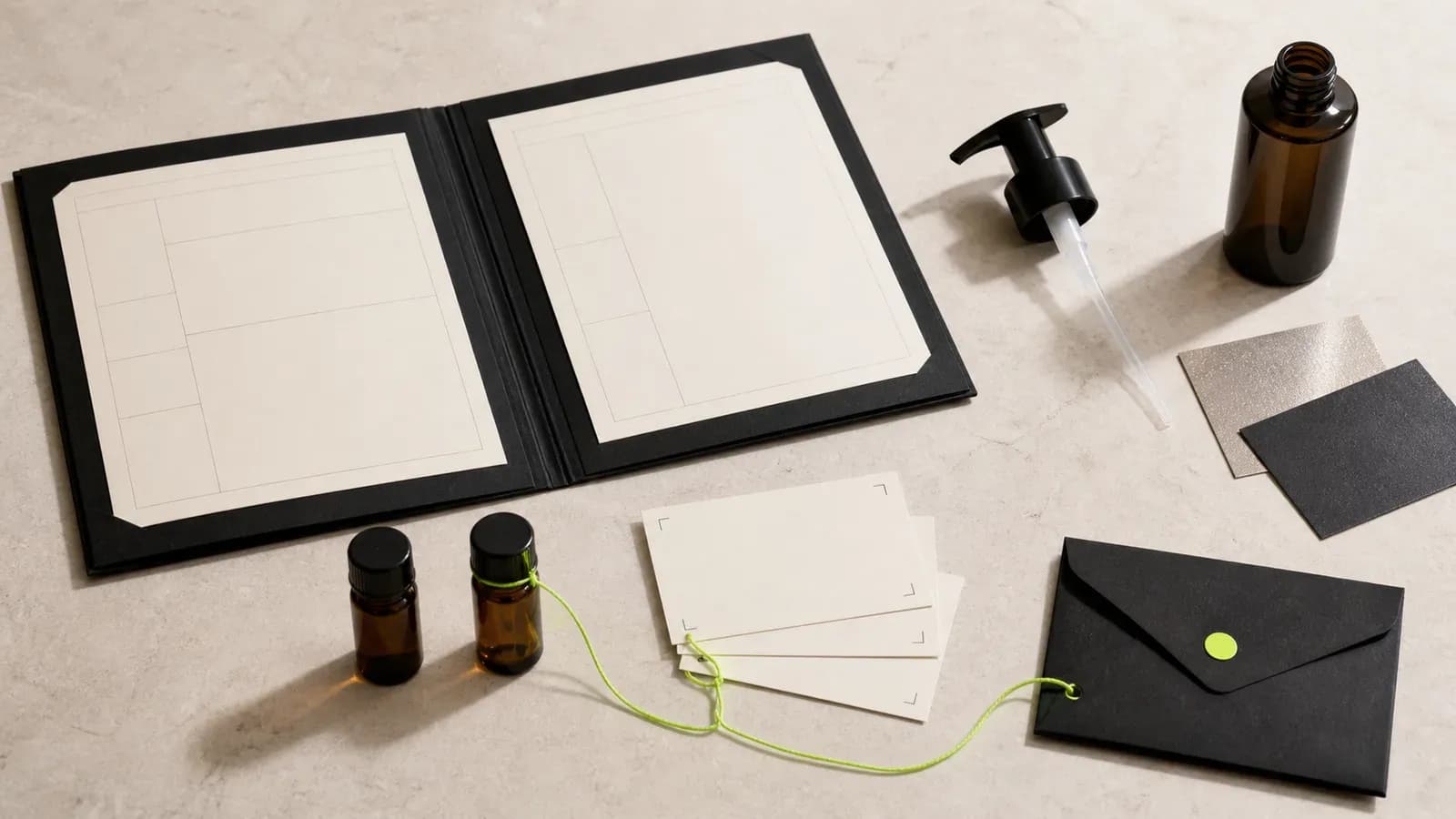
Build a must-have brief before comparing routes
Must-have formula brief
Separate requirements from preferences. A “must-have” should connect to the customer job, intended use, channel, target market, or a supportable commercial reason.
- 01
Customer and product job
Describe who uses the product, when they use it, what job it performs, and how the channel will explain or recommend it.
- 02
Non-negotiable attributes
Name the performance, sensory, format, dispensing, ingredient, claim-direction, and use requirements that would make a route unacceptable if missing.
- 03
Evidence and market context
Identify the target market and the claims, evidence, labeling, documentation, test, importer, responsible-party, or other inputs that need an owner.
- 04
Packaging and use conditions
Define fill size, bottle or jar direction, pump or closure, dose, application method, storage, distribution, and other relevant use conditions.
- 05
Project constraints
Set the quantity context, development capacity, acceptable sample and test scope, launch window, cash limits, and later-run expectations.
Use the smallest development gap that meets the brief
A pre-developed direction is a credible route when an identified sample meets the must-haves with acceptable changes and the formula terms, support, packaging path, quantity, and later-run conditions fit the project. A custom path is worth evaluating when a material must-have remains unmet and the business can support the additional brief, development, samples, testing, documentation, rights, economics, and review time. If the requested difference is only a preference, first compare its value against the commitment it adds.
Put five formula facts in the approval record
Formula decision record
The approval should identify the formula route well enough for production review and a later-run comparison.
- 01
Formula identity and version
Record the formula name or identifier, version or revision, partner, and date used to identify the approved direction.
- 02
Approved sample reference
Connect the approval to the exact retained or otherwise identified sample that the business evaluated.
- 03
Changes and formula terms
Record agreed modifications, development ownership, permitted use, exclusivity if applicable, and the process for future changes.
- 04
Evidence and responsibility record
Link the claims direction, supporting inputs, tests, documentation, target-market questions, and owners that apply to the approved route.
- 05
Packaging and reorder connection
Connect the formula to its fill size, packaging and dispensing reference, quantity assumptions, and later-run reconfirmation list.
Stock vs. custom haircare formula FAQ
FAQ
Questions before you start
What does a pre-developed haircare formula mean?
A pre-developed formula is an identified existing direction available for evaluation against the project brief. It is a starting point, not a conclusion about claims, market fit, packaging, rights, quantity, availability, timing, or suitability. Record the exact identity and partner terms used for the project.
Can a pre-developed formula still support a differentiated line?
Yes. Differentiation can come from a clear customer job, professional channel, routine, package, instructions, education, service experience, and brand execution. The formula identity, changes, permitted use, and exclusivity status still need to be confirmed; availability alone does not imply exclusive rights.
When should a brand consider a custom formula?
Explore custom development when a material must-have cannot be met by an evaluated starting point and the business can support the additional development brief, sample rounds, testing, documentation, rights decisions, quantity, cost, and review time. State the unmet requirement before choosing the route.
Does a custom formula mean the brand owns it exclusively?
Custom describes the development path, not the rights result. Ownership, permitted use, exclusivity, formula identity, future changes, retained references, and continuity terms depend on the engaged partner and project agreement. Record them explicitly.
Which formula path is faster?
A pre-developed direction may reduce early formulation work, while custom development may add decisions and sample rounds. The actual schedule also depends on feedback, required changes, packaging, artwork, testing, documentation, quantity, partner capacity, and production conditions. Compare the complete project path, not the label.
Next step
See how formula decisions move toward production
Follow feasibility and formula selection into packaging review, identified samples, approvals, production coordination, and reorder planning.
Next step
Check Your Project Fit
Share the required formula attributes, claims direction, target market, product role, quantity context, and acceptable development tradeoffs.