One working brief
Commercial intent, product roles, target market, quantity context, and supply decisions refer to the same project scope.
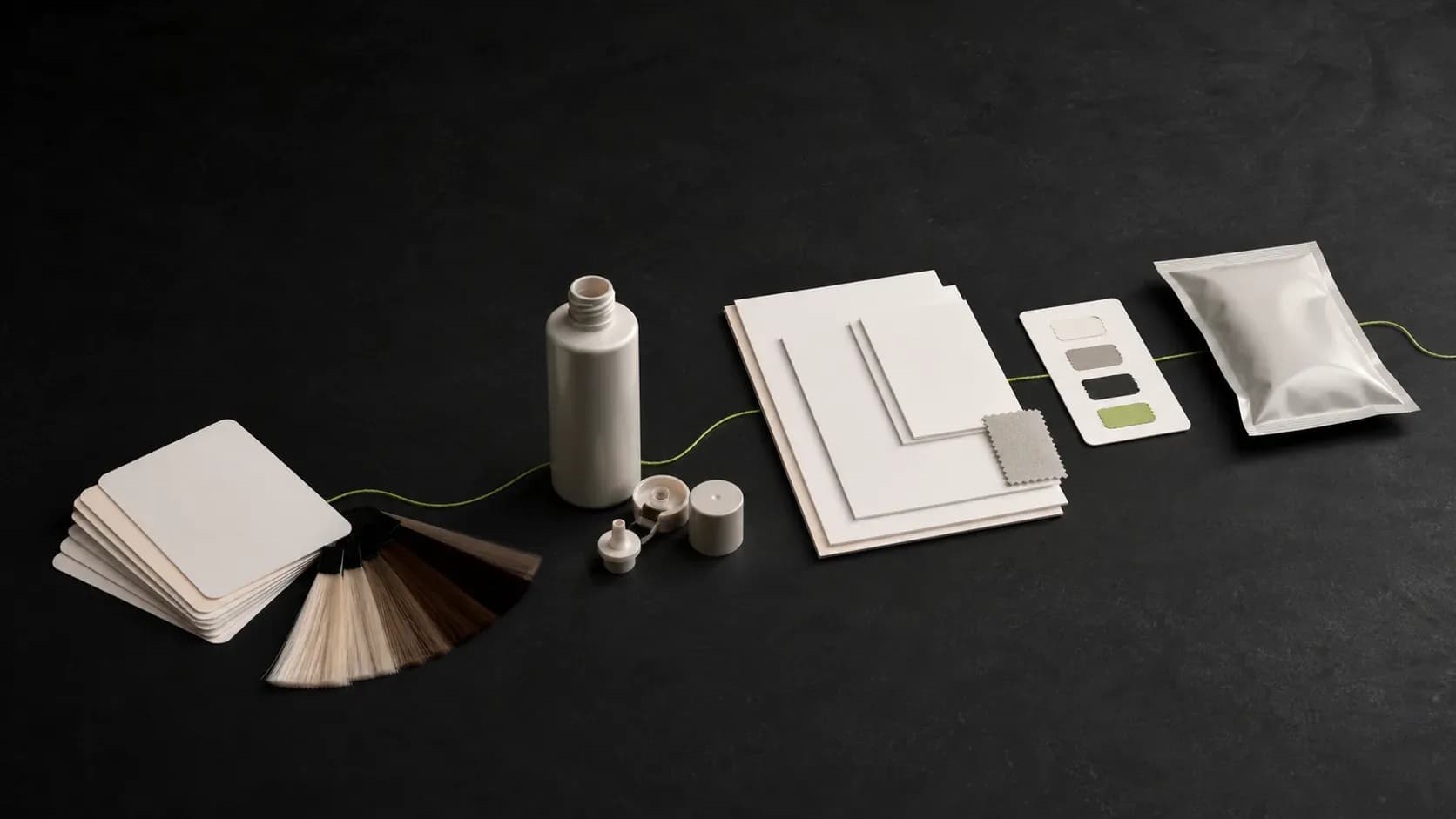
How It Works
FormuLaunch keeps the commercial brief, partner review, sample feedback, production inputs, and later-run questions tied to the same project context. Each stage ends with a clearer decision or record; the exact scope is confirmed with the partners involved.
A private label haircare process connects an existing market opportunity with the work a manufacturing and packaging team must evaluate. A choice made early can change several later decisions. Adding a product changes total inventory exposure. Formula direction can affect packaging. Component availability can change timing, while an artwork revision can hold a production release.
FormuLaunch keeps those decisions in one working brief. The brief gains detail as the project moves from commercial context to feasibility, samples, approvals, and production planning. When a later run is considered, the approved references and change history provide a starting point for a new review.
Every stage remains project-specific. Partner availability, formula feasibility, packaging, quantity, price, testing, documentation, responsibilities, and timing are confirmed for the actual scope.
Place the process in its service and application context
Share the business, existing customer or sales channel, target market, proposed product role, quantity context, commercial priorities, and expectations for a later run. FormuLaunch reviews whether the brief is developed enough for a useful next conversation and identifies the largest open questions.
Define who the line serves, where it will sell, how the customer will use it, and what job each proposed product must do. Separate first-release requirements from preferences and later ideas, then name the owner of each client-side input and approval.
Review formula direction, packaging format, components, decoration, filling, artwork inputs, quantity conditions, timing, testing or documentation needs, target-market requirements, and total project economics with the relevant partners.
Identify the sample and brief under review. Record feedback, requested changes, open questions, and status against that version. Sample approval is one input to production confirmation, not an automatic production release.
Bring the selected formula and package references, artwork, specifications, quantity, commercial terms, schedule, quality scope, document requests, responsibilities, and approvals into one review. Keep unresolved items visible until the responsible party confirms them.
Use the confirmed scope as the reference for partner communication and agreed milestones. Questions, requested deviations, updated files, and decisions should point back to the same approved context.
Retain the approved formula, packaging, artwork, specification, quantity, and change references needed for another review. Check demand, availability, requested changes, quantity, cost, timing, and documentation again for the new run.
Define the product jobs before feasibility review
Commercial intent, product roles, target market, quantity context, and supply decisions refer to the same project scope.
Samples, artwork, specifications, and change requests are identified so feedback and approvals do not attach to the wrong reference.
The record shows who supplies an input, who reviews it, who approves it, and who holds the relevant business or market responsibility.
Production planning and later-run review begin from identifiable references. Current availability, terms, timing, and requested changes are checked again.
Use the decision pages at the stage where they matter
FAQ
There is no universal timeline. Timing depends on the qualified brief, formula path, sample rounds, packaging availability, artwork readiness, production scheduling, quality scope, documentation, partner response, and client response. A working schedule is confirmed after the actual scope is understood.
Prepare a short description of the business, existing customers or channel, target market, product role under consideration, quantity context, intended price position, timing constraints, and expectations for a later run. Unknowns can remain open when they are identified clearly.
No. It records the decision on the identified sample and review scope. Production still requires a confirmed scope covering the selected formula and package, artwork, specifications, quantity, terms, schedule, responsibilities, quality and document requirements, and all required approvals.
Manufacturing is performed by the manufacturing partner engaged for the project. FormuLaunch coordinates the commercial brief, cross-party inputs, decisions, and project records within the agreed scope.
The useful starting record includes the approved formula, packaging, artwork and specification references, the prior quantity, decisions, and change history. Availability, quantity, cost, timing, documentation, and any requested change are confirmed again for the new run.
Next step
Share your channel, customer, target market, first product role, quantity context, and expectations for a later run. FormuLaunch will review the brief and identify the next questions to resolve.