Leave-in Conditioner
A leave-in conditioner can support a care-led step after cleansing or conditioning. The actual application, amount, instructions, formula direction, and spray or pump path still need project review.
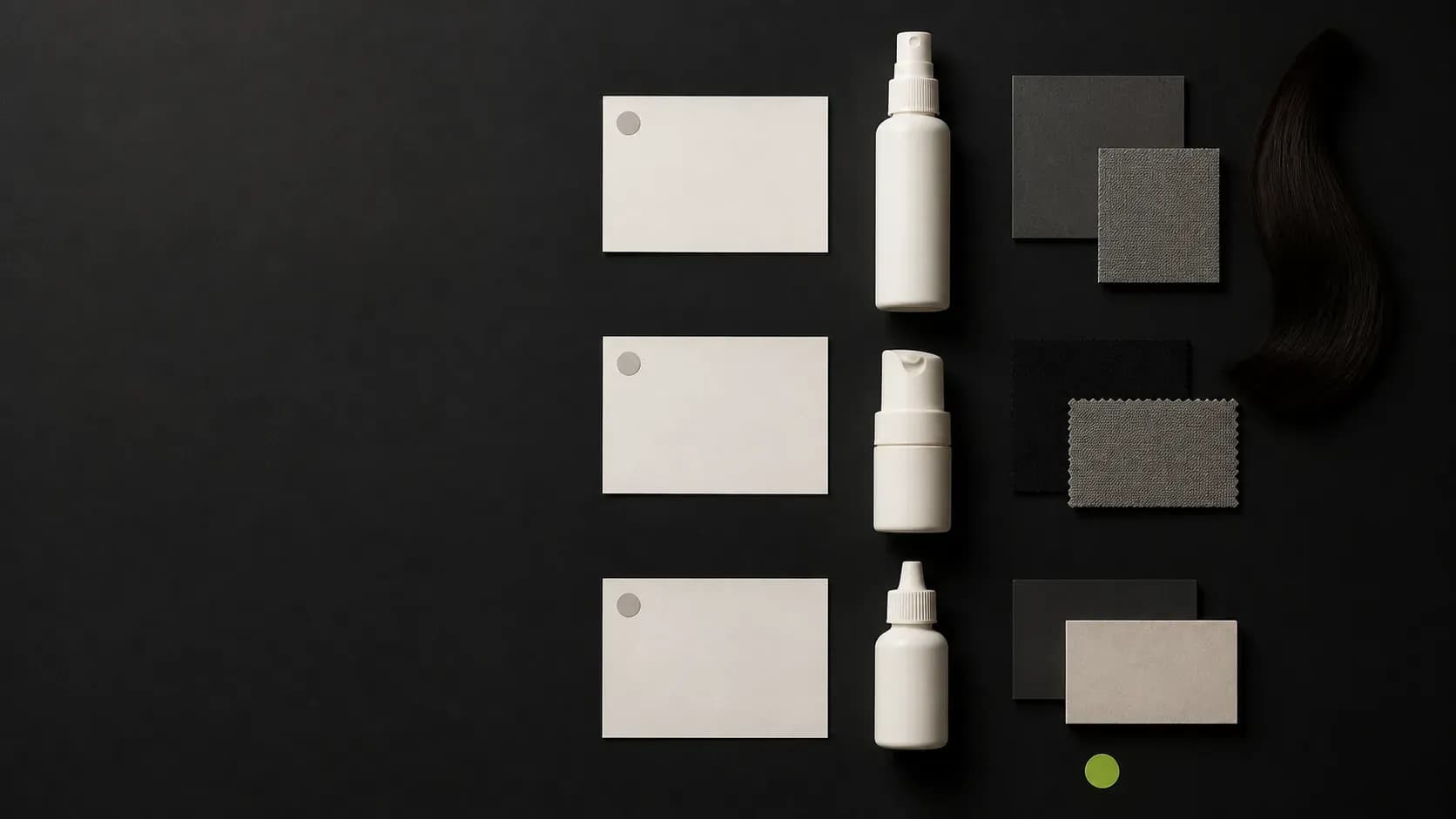
Private Label Haircare · Finish
FormuLaunch helps professional hair businesses define the Finish brief, choose the clearest leave-on format, and coordinate the formula, dispensing, sample, supply, and later-run questions partners need to evaluate.
Product role · finish
Private label leave-in conditioner, hair serum, or oil fills the Finish role in an own-brand professional haircare line. The choice starts with when the customer applies it, how it is dispensed, what the channel can explain, and the job the product needs to hold.
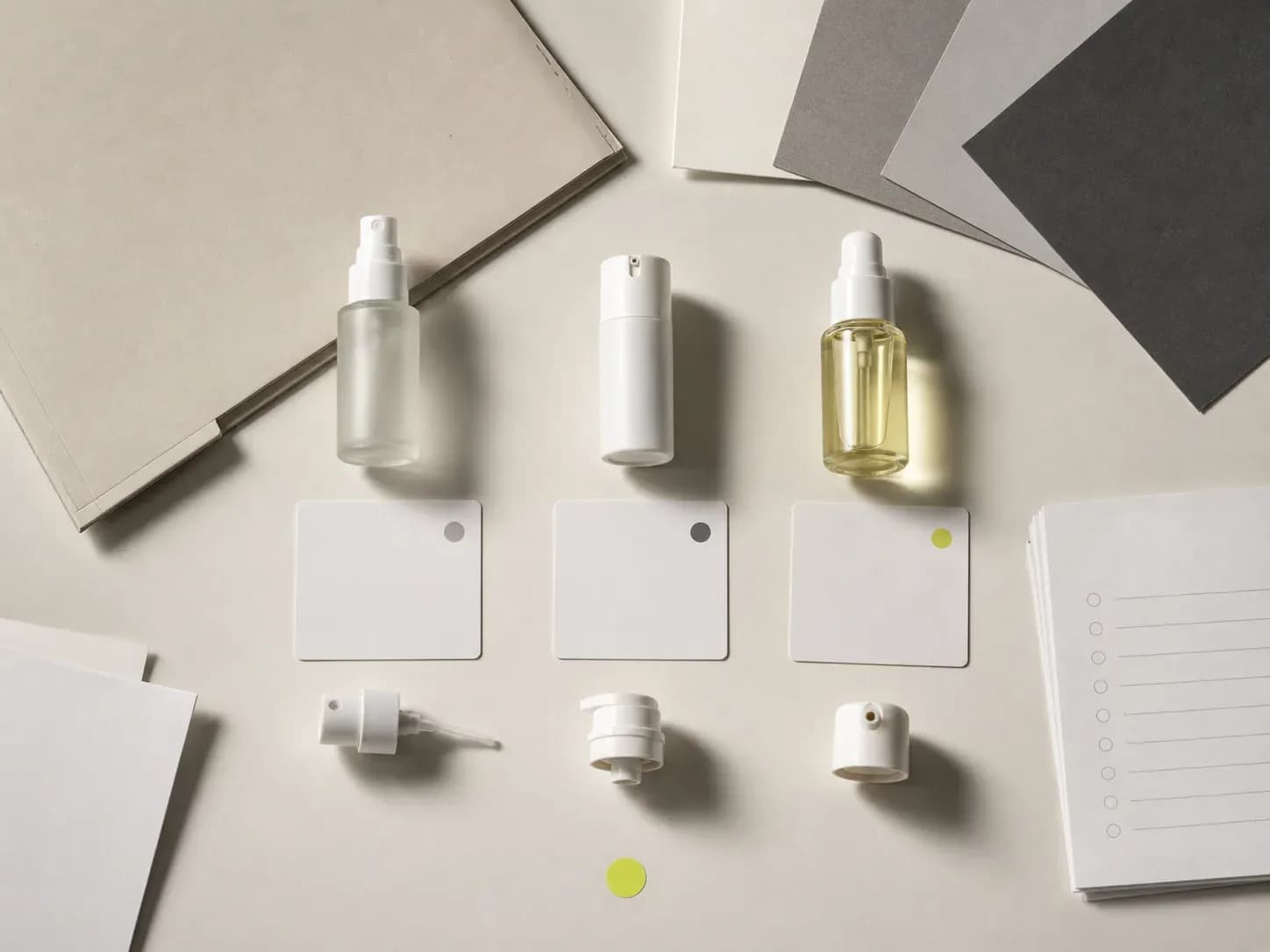
A Finish product belongs in the line when customers need a leave-on step that the channel can demonstrate, explain, and support. Leave-in conditioner, hair serum, and oil are alternative formats, not a mandatory three-product group. Each changes the application moment, amount used, dispensing system, education, price position, and inventory decision.
Start with what happens in the customer’s hands. Is the product applied broadly after washing, used in a more measured finishing step, or dispensed in a small controlled amount? Who recommends it, what question triggers that recommendation, and how will instructions stay clear across the target market and sales channel?
FormuLaunch turns that context into a Finish brief and coordinates review with relevant manufacturing and packaging partners. The engaged manufacturing partner evaluates the proposed formula direction and performs manufacturing within the confirmed scope.
A leave-in conditioner can support a care-led step after cleansing or conditioning. The actual application, amount, instructions, formula direction, and spray or pump path still need project review.
A hair serum can fit a measured finishing application when the channel can explain how much to use and when. Texture, dispensing, package, and proposed positioning must be evaluated together.
A hair oil can fit a controlled-amount application when that job is distinct from the other roles in the line. Formula direction, package material, closure, leakage, instructions, and proposed claims require review.
Choose one Finish format when one clear job is enough. Add another only when customer need, education, price position, order economics, and later-run demand make the roles meaningfully different.
Identify the target customer, use context, application moment, amount, target market, recommender, sales channel, and relationship to any Cleanse or Treat product.
Describe the intended leave-on and sensory direction, application area, proposed use frequency, customer instructions, and why the selected format is easier to understand than the alternatives.
List proposed positioning, ingredient or exclusion preferences, support, evidence and testing questions, label and document needs, instructions, and warnings. These are review inputs, not approved claims.
Define fill size, spray, pump or controlled-dispensing direction, component material, decoration, secondary packaging, quantity, price position, timing constraints, and later-run records.
Confirm which party manufactures, who supplies the formula and components, who fills and decorates, who provides specifications and documents, and who approves each stage.
Ask how the proposed formula is identified, what support is available for the intended use and target market, what remains open, and how a requested change affects the review.
Test the intended amount and application with the identified sample and proposed output system. Record spray pattern, pump output, controlled dispensing, leakage questions, requested changes, and approval status as applicable.
Confirm component specification, material, availability, decoration, transport context, and the scope of relevant formula-pack compatibility review before locking the package.
Compare formula batch, filling run, bottle, actuator or pump, decoration, secondary packaging, and partner conditions. The binding minimum may come from several supply inputs.
Confirm formula and package references, artwork, quantity, terms, schedule, agreed quality checks, document requests, responsibilities, and required approvals before production.
FAQ
Choose by application moment, amount, instructions, formula direction, dispensing, customer education, target price, quantity, and total project economics. Leave-In can support a broader care-led application, Serum a measured finishing step, and Oil a controlled-amount application, subject to the actual project review.
Yes, when the Finish job is the clearest documented need and the channel can demonstrate, explain, sell, and support it. It does not require a fixed Shampoo or Treat bundle.
There is no single number this page can promise. Formula batch, filling run, bottle, actuator or pump, decoration, secondary packaging, and partner conditions can each set a different minimum. The MOQ Guide explains how to reconcile them.
Those can be proposed directions, but the wording is not assumed or pre-approved. Formula identity, intended use, target market, support, testing needs, instructions, warnings, label, documentation, and final wording require project review.
The decision depends on formula direction, viscosity and output needs, intended amount, component material, availability, decoration, leakage and transport context, target market, and the relevant compatibility review. Appearance alone is not enough to select the package.
Manufacturing is performed by the manufacturing partner engaged for the project. FormuLaunch coordinates the commercial brief, cross-party review, decisions, and project records within the agreed scope.
Compare Cleanse and Treat before expanding the line
See Finish in the current Hair Extension Aftercare Application
Next step
See how product roles fit into the wider launch, supply-coordination, and reorder-readiness process.
Resolve formula path, MOQ, product count, and the wider project process
Next step
Share the customer, intended Finish job, Leave-In, Serum or Oil direction, target market, sales channel, dispensing ideas, quantity context, and expectations for a later run.